

Cooling Tower
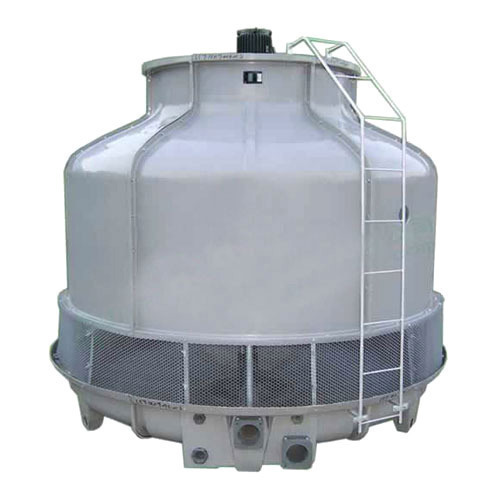
A cooling tower is designed to remove heat from a building or facility by spraying water down through the tower to exchange heat into the inside of the building. Air comes in from the sides of the tower and passes through the falling water. As the air passes through the water, heat is exchanged and some of the water evaporates. This heat and evaporated water flow out the top of the tower in the form of a fine cloud-like mist. The cooled water is collected at the bottom of the tower and pumped back into the plant or building for reuse. Cooling towers provide large-scale air-conditioning where land and (or) water are expensive, or regulations prohibit the return of once-through cooling waters.
Usage Of Cooling Tower
Cooling towers are primarily used for heating, ventilation, and air conditioning (HVAC), and industrial purposes. Cooling towers provide a cost-effective and energy-efficient operation of systems in need of cooling. More than 1,500 industrial facilities use large quantities of water to cool their plants 2. HVAC systems are used typically in large office buildings, schools, and hospitals. Industrial cooling towers are larger than HVAC systems and are used to remove the heat absorbed in the circulating cooling water systems used in power plants, petroleum refineries, petrochemical plants, natural gas processing plants, food processing plants, and other industrial facilities.
Specification:
- Extensively used for cooling of water in plastic, chemical plants, automotive, beverage and food industries.
- Power driven: Electronic
Features:
- Superb strength
- Anti corrosive
- Rugged design