

Bearing
Bearings are a crucial tribological component of many types of machinery and exist in a variety of forms and shapes. They can be defined as a component that supports/permits only a specific type of motion (restriction of degrees of freedom) in a system that may be under static or dynamic loading.
The main purpose of bearings is to prevent direct metal to metal contact between two elements that are in relative motion. This prevents friction, heat generation and ultimately, the wear and tear of parts. It also reduces energy consumption as sliding motion is replaced with low friction rolling.
They also transmit the load of the rotating element to the housing. This load may be radial, axial, or a combination of both. A bearing also restricts freedom of movement of moving parts to predefined directions as discussed above.
Types of Bearing
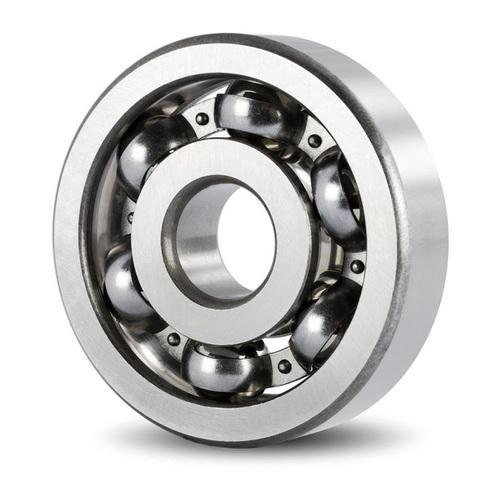
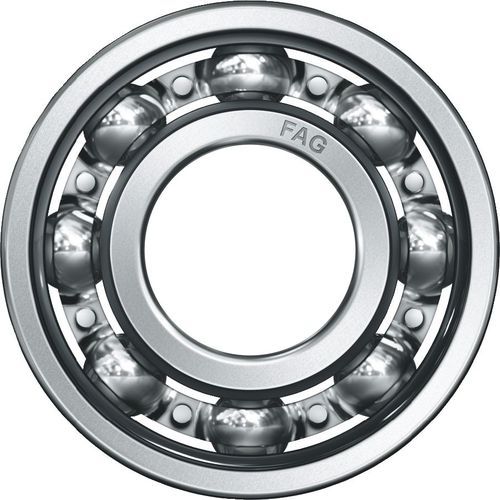
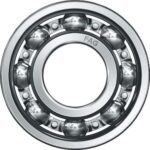
Ball Bearings
Ball Bearings utilize balls as the rolling elements. They are characterised by point contact between the balls and the raceways. As a rule, ball bearings rotate very quickly but cannot support substantial loads.
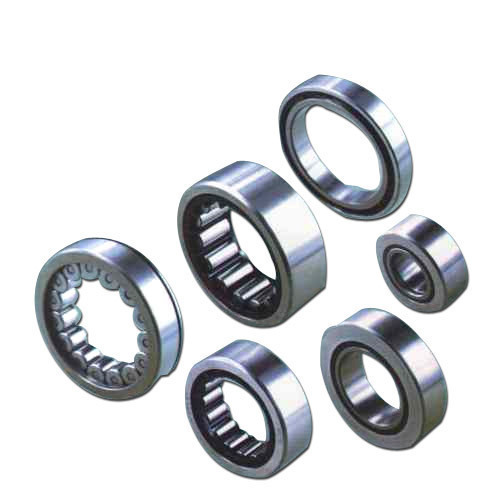
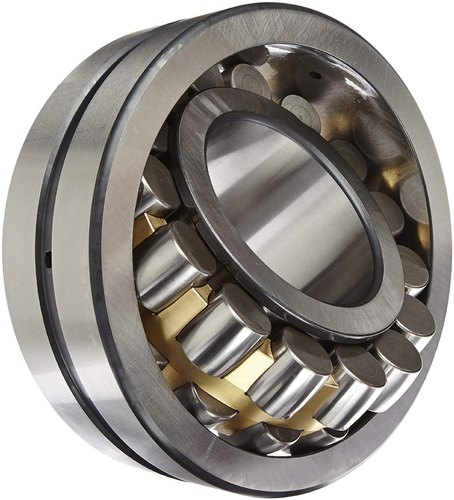
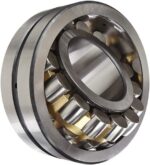
Roller Bearings
Roller Bearings are characterized by line contact. Line contact offers higher load rating than ball bearings of the same size; however the speed ability is lower than a ball bearing due to the increased friction of a contact line.